


Horehound Marrubium vulgare L.
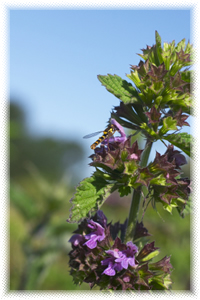
Horehound in flower
- Common Names
- Horehound , White horehound, marrubio
- Botanical Name
- Marrubium vulgare L.
- Family
- LAMIACEAE

Medicinal Uses & Benefits of Horehound
 How to Use|
Side Effects |
Plant & Garden|
Folklore
How to Use|
Side Effects |
Plant & Garden|
Folklore
- Medicinal Uses: * Bronchitis
* Cardiovascular
* Colds
* Cough
* Sore Throat
- Properties: * Appetite Depressant * Astringent * Bitter * Breath * Cholagogue * Demulcent * Emmenagogue * Expectorant * Hepatic
- Parts Used: Aerial parts
- Constituents: up to 1% marrubiin (a bitter principle), diterpene alcohols (eg marrbiol and murrubenol), small amounts of alkaloids, traces of volatile oil and a sesquiterpene, tannin, saponin, resin
How to Use: Horehound
The uses of horehound have come down to us from the Greeks, Romans, and from our own North American herbal traditions. You can still find old fashioned horehound cough drops sold in pharmacies, but homemade ones are best in my opinion. Horehound was an accepted medicinal plant in the U.S. Pharmacopoeia until 1989 and is still endorsed in Europe as an effective cold medicine. Duke Horehound is a well regarded cough and cold remedy as well as a bitter tonic. As is common with all the mint family herbs, horehound stimulates digestion, easing bloating and gas. Horehound contains the bitter principal marrubiin (sometimes spelled marubin), a potent pain reliever, nervous system stimulant, and expectorant. Marrubiin and marrubinic acid also help stabilize heart rhythm. Duke
Preparation Methods & Dosage :Leaf teas, cough syrups and drops. Extracts. For treatment of gastrointestinal upset, take thirty minutes before eating. The bitter taste activates the healthful actions, don't overdo adding sweeteners.
Horehound Remedies
 In the Kitchen: Horehound is a favorite to use in oldfashioned cough drops recipes.
Horehound Side Effects: Horehound should not be used by pregnant women, nursing mothers, very young children or the elderly.
Plant Description
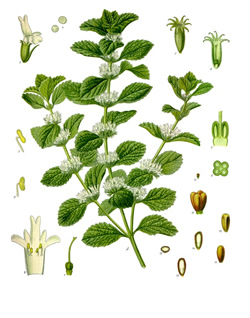
Koehler's Medicinal-Plants 1887
- Flowers:Small white or purple flowers at the nodes between leaf and stem
- Plant Class:Perennial Mint, bushy
- Leaves:Densely packed green leaves with white edges on a single stalk. The leaves are much wrinkled, opposite, petiolate, about 1 inch long, covered with white, felted hairs, which give them a woolly appearance.
- Medicinal part: All arial
- Preferred Habitat:Cultivated in gardens
- Flowering Season:June to September
- Distribution:Native to Morocco, naturalized in Europe and North America
How to Grow Horehound
Horehound is a perennial hardy to Zone 3 here in North America. It prefers full sun and well-drained soil. Once established, horehound required very little additional water. Bees love the blossoms. Harvest leaves and flowers during the growing season to use fresh, and dry to used during winter months for cold and cough season.
History and Traditions & Folklore
The Egyptians and Romans esteemed Horehound for coughs and colds, the same uses as it is recommend by modern herbalists. For centuries white horehound has been traditionally a reliable liver and digestive remedy. The plant has also been used to reduce fevers and treat malaria.This is one of the bitter herbs ordained to be eaten at Passover supper by the Jews. Gerard also recommended it as an antidote for posions and for "mad dogge biting". 1.The Egyptian priests called horehound the "Seed of Horus", or the "Bulls Blood", and "The eye of the Star". It was a principal ingredient in the negro Caesars's antidote for vegetable poisons. It was considered an anti-magical herb.1
 Works Cited
- Duke, James A., Green Pharmacy Herbal Handbook(2000)
Until 1900, horehound was an accepted medicinal in the U.S. Pharmacopoeia and was found in various over-the-counter nostrums, including cough drops. In 1989 FDA challenged its use for a supposed lack of efficacy. A year later, Germany's commission E endorsed horehound's folk reputation as an effective treatment for coughing, colds and indigestion. Decide for yourself.
Looking for Aroma Therapy? Visit Annies Aroma Therapy
Looking for something you can read offline? Join our mailing list and get a free copy of Methods for Using Herbs. This free handbook includes instructions on how to make basic herbal preparations at home. It covers making herbal teas, herb infused oils and balms, tinctures, and more.