


Celery Apium graveolens
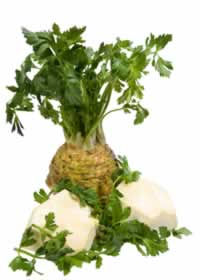
- Common Names
- Celery Seed
- Botanical Name
- Apium graveolens
- Family
- APIACEAE

Medicinal Uses & Benefits of Celery Seed
 How to Use|
Side Effects |
Aromatherapy Oil |
How to Use|
Side Effects |
Aromatherapy Oil |
- Medicinal Uses: * Cardiovascular
* Cellulite
* Gout
* Rheumatoid_arthritis
- Properties: * Anodyne * Anxiety * Calm * Carminative * Depurative * Diuretic * Emmenagogue * Nervine * Refrigerant
- Parts Used: Ripe seeds, herb and root
- Constituents: essential oil, with limonene and selinene as the main components, also pinene, cymene, caryophyllene, pinene, santalol, and dihydrocarvone, apigenin and isoquerticin
How to Use: Celery
Celery is a healthy medicinal food, often used to reduce the need for salt in cooking. The seeds contain apigenin and isoquerticin, compounds that help blood vessels to expand, lowering blood pressure.1 A natural diuretic, celery can reduce excess water buildup and decrease the uric acid that causes pain and inflammation in gout and arthritis. 2
Preparation Methods & Dosage :Celery seed can be used in teas and soups. It can also be found in as an extract in supplement form.
Celery Remedies
Celery : Essential Oil Profile
The essential oil is produced by steam distillation from the whole or crushed seeds. Celery seed has a fresh, spicy and warm scent.
 In the Kitchen: Celery adds flavor while cutting down on sodium, and makes a good base for vegetarian soups and sauces
Celery Side Effects: If you should not use diuretics, you should not use celery seed. The herb does not cause sensitivity to sunlight by itself, but it can cause increased risk of sunburn in people who take prescription ACE inhibitors to control high blood pressure.
How to Grow Celery
The original plant, wild celery, which grows throughout southern Europe, had an acid and bitter taste. Italian farmers developed what we now call celery in the seventeenth century. Celery is a fussy plant to grow, and is not one for the novice gardener. Celery needs just the right combination of sun and shade and rich, well composted soil.
 Works Cited
- Linda B. White, M.D.. "The Herbal Drugstore" Rodale, (2003) Extracts of celery seed have the ability to neutralize the harmful effects of uric acid that often causes pain and inflammation in gout and arthritis ,
- James Duke. "The Green Pharmacy Herbal Handbook" Rodale Books, (2000) The apigenin in celery seeds relaxes blood vessels, allowing them to open wider and permit a freer flow of blood. This is one of more than a dozen chemicals in celery seeds that help your cardiovascular system. ,
- Maud Grieve. "A Modern Herbal" Harcourt, (1931) Carminative stimulant, diuretic, tonic, nervine, useful in hysteria, promoting restfulness and sleep, and diffusing through the system a mild sustaining influence. Good combined with Scutellaria for nervous cases with loss of tone.
Looking for Aroma Therapy? Visit Annies Aroma Therapy
Looking for something you can read offline? Join our mailing list and get a free copy of Methods for Using Herbs. This free handbook includes instructions on how to make basic herbal preparations at home. It covers making herbal teas, herb infused oils and balms, tinctures, and more.