


Psyllium Plantago psyllium, Plantago ovata
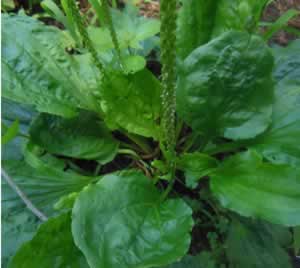
Plantago major
- Common Names
- Psyllium , Flea Seed
- Botanical Name
- Plantago psyllium, Plantago ovata
- Family
- PLANTAGINACEAE

Medicinal Uses & Benefits of Psyllium
Side Effects | Plant & Garden| Folklore
- Medicinal Uses: * Cholesterol
* Constipation
* Diet/weight Loss
- Properties: * Anodyne * Antitussive * Appetite Depressant * Astringent * Demulcent * Laxative
- Parts Used: Seeds and seed husks
- Constituents: ascorbic acid, aucubin, beta-carotene, beta-sitosterol, calcium, chromium, cobalt, fiber, linoleic acid, magnesium, manganese, mucilage, niacin, oleic acid, oxalic acid, phosphorous, potassium, riboflavin, selenium, sodium, stigmasterol, thiamine, tin, zinc
How to Use: Psyllium
The seeds of the Plantago ovata contain copious amounts of mucilage that are able to treat diarrhea, constipation and act as a safe and effective weight loss aid. Psyllium seed can be used to treat: “Chronic constipation; disorders in which easy bowel movements with a loose stool are desirable, e.g., in patients with anal fissures, hemorrhoids, following anal/rectal surgery; during pregnancy; as a secondary medication in the treatment of various kinds of diarrhea and in the treatment of irritable bowel.”Commission E Monographs
Psyllium seed has been used since ancient times, with no ill effects. These seeds and their husks are a great source of natural, water soluble fiber which is lacking in many American diets. The seed has less fiber than the husk but a wide range of nutrients the husks do not, making products that contain both more beneficial. Although it is primarily used to treat constipation, research shows that psyllium seed reduces high cholesterol and triglyceride levels.(Duke,James, Ph.D.) Exactly how it does isn't known, but it appears to bind with dietary cholesterol and fat to prevent their absorption. >Credit mother nature for devising a substance that can treat both constipation and diarrhea. The seeds soak up fluids, adding bulk to the stool and inhibiting diarrhea. The same absorption of fluids softens the stool, and the larger volume helps pass it through the colon. This easier action makes this herb a good choice for those suffering from hemorrhoids, inflammatory bowel disease or diverticulitis. By bulking the stool, the seeds also relieve pain caused by ulcerative colitis. Unless you have a desire for sugar, artificial flavors and higher prices, try natural psyllium before turning to one of the name brand products such as Metamucil or Fiberall, or any number of commercial laxatives.
Preparation Methods & Dosage :

Psyllium Remedies
Psyllium Side Effects: Don't take psyllium and stimulant laxatives (herbal or over the counter) at the same time. Allow two hours between the time you take psyllium and the time you take medications or other supplements, psyllium fiber may interfere with absorption. Always take with a least 1 full glass of water.
Plant Description
Plantain is useful plant overlooked by many because of its abundance and reputation as a weed. You have probably seen it growing in the cracks of sidewalks, or the middle of your driveway. It is a good source of vitamins C, A, and K. Over two hundred species of plantain grow throughout the world, the two most common to North American are P. major, the broad-leaved or common plantain, and P. lanceolata, the narrow-leaved plantain, (ribwort). Plantain is easy to grow, all it needs is ample water during germination. The plants can be harvested anytime, but second year and older plants make the best medicine.
History and Traditions & Folklore
As Old English Wegbrade the plantago is one of the nine plants invoked in the pagan Anglo-Saxon Nine Herbs Charm
 Works Cited
Looking for Aroma Therapy? Visit Annies Aroma Therapy
Looking for something you can read offline? Join our mailing list and get a free copy of Methods for Using Herbs. This free handbook includes instructions on how to make basic herbal preparations at home. It covers making herbal teas, herb infused oils and balms, tinctures, and more.