


Camphor Cinnamomum camphora
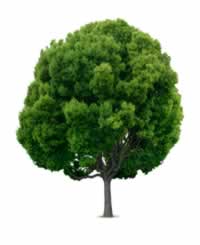
Camphor tree
- Common Names
- Camphor
- Botanical Name
- Cinnamomum camphora
- Family
- LAURACEAE

Medicinal Uses & Benefits of Camphor
 How to Use|
Side Effects |
Plant & Garden|
Aromatherapy Oil |
How to Use|
Side Effects |
Plant & Garden|
Aromatherapy Oil |
- Medicinal Uses: * Aromatherapy
* Arthritis
* Ayurvedic
* Bronchitis
* Bruises/sprains
* Cardiovascular
* Colds
* Congestion
* IBS
* Lupus
* Sleep/Insomnia
- Properties: * Analgesic * Antidepressant * Antirheumatic * Antispasmodic * Aromatic * Aromatic * Circulation * Cordial * Diaphoretic * Diuretic * Expectorant * Febrifuge * Hypertensive * Laxative * Meditation * Rubefacient * Sedative * Skin tonic * Stimulant * Vasoconstrictor * Vermifuge * Vulnerary
- Parts Used: Essential oil steam distilled from wood
- Constituents: 1,8-cineole, alpha-terpinene, borneol ,camphor, carvacrol, caryophyllene, citronellol, eugenol , geraniol, kaempferol, limonene, p-cymene ,safrole, vanillin
How to Use: Camphor
Camphor oil has a duel action of hot and cold, which has a balancing effect on the yin and yang energies. When first applied camphor oil numbs and cools the peripheral nerve endings, then warms the painful area as it stimulates circulation to cold, stiff muscles and limbs. This analgesic effect of camphor makes it a favorite oil to be used in pain relieving massage blends for sore muscles, low back pain, and arthritic pain.
Camphor also acts as an expectorant and a febrifuge, meaning that it cools fevers and helps clear lung congestion. Camphor is a very useful ingredient in inhalations for coughs, colds and difficulties in breathing. These actions, along with camphor's anti-inflammatory, antiviral and antibacterial properties make it a very useful and popular remedy for colds, flu, and bronchitis.
Preparation Methods & Dosage :Camphor is used mainly in its essential oil form. Use in aroma lamps, steam inhalations and household cleaning products. Dilute before applying to skin.
Camphor : Essential Oil Profile
Camphor is present in every part of the tree, but is usually taken from the wood of mature trees by steam distillation
Ayurvedic Medicine
 Karputa : The traditional forehead marking, the tilak is made from camphor and saffron. This combination promotes cool thinking and meditation. 1
Camphor Side Effects: May irritate skin. Avoid when pregnant. White camphor is preferable to due to its lower safrole content than brown or yellow.
Plant Description
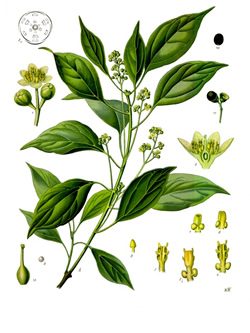
Koehler's Medicinal-Plants 1887
Camphor is found in wood of the camphor laurel (Cinnamomum camphora), a large evergreen tree found in Asia (particularly in Borneo and Taiwan, hence its alternate name). It also occurs in some other related trees in the laurel family, notably Ocotea usambarensis. It takes many years to form, and the trees are not touched until they are at least fifty years old.
Regional Traditions :Ayurvedic * Southeast Asia *
History and Traditions & Folklore
A lump of camphor was traditionally worn around the neck as a protection against infectious disease. Works Cited
- Khalsa, Karta Purkh Singh, Michael Tierra. "The Way of Ayurvedic Herbs", Lotus, (2008)
Looking for Aroma Therapy? Visit Annies Aroma Therapy

Looking for something you can read offline? Join our mailing list and get a free copy of Methods for Using Herbs. This free handbook includes instructions on how to make basic herbal preparations at home. It covers making herbal teas, herb infused oils and balms, tinctures, and more.