


Pineapple Ananas comosus
- Common Names
- Pineapple
- Botanical Name
- Ananas comosus
- Family
- BROMELIACEAE
Medicinal Uses & Benefits of Pineapple
Side Effects | Plant & Garden|
- Medicinal Uses: * Digestion
* IBS
* Lupus
- Properties: * Anti-inflammatory
- Parts Used: Fruit, stem
- Constituents: bromelain
How to Use: Pineapple
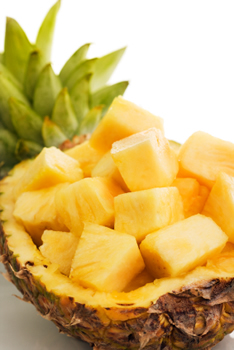
Pineapple contains a proteolytic enzyme bromelain, which digests food by breaking down protein. Only modest quantities of bromelain are in the edible parts of the fruit, all commercially all commercially available bromelain is derived from the stem. Bromelain supplements are particularly popular among athletes for treating all sorts of physical aches and injuries. There are questions about how well bromelain is absorbed, and to many herbal authorities the value may be overstated. Nature gave us many similar proteolytic enzymes, (like Ginger), that are more highly concentrated in the edible parts of the plants. Pineapple is healthy fruit, a good source of manganese, as well as containing significant amounts of Vitamin C.
Preparation Methods & Dosage :
Pineapple Side Effects: If you are taking a prescription blood thinner, be careful with bromelain, which works similarly. Generally, you should take bromelain for only eight to ten days, but it may be tolerated for longer periods. Avoid overdosing and possible stomach upset by noting the product strength.
Plant Description
The pineapple has 30 or more trough-shaped and pointed leaves surrounding a thick stem. The pineapple is a multiple fruit, spirally-arranged flowers along the stem each produce a fleshy fruit that becomes pressed against the fruits of adjacent flowers, forming what appears to be a single fleshy fruit. 1
History and Traditions & Folklore
Pineapple has been used as a medicinal plant in several native cultures. The root and fruit are either eaten or applied topically as an anti-inflammatory and digestive. It is traditionally used as an anti-parasitic agent in the Philippines.
Bromelain has been known chemically since 1876. In 1957, bromelain was introduced as a therapeutic compound when Heinicke found it in high concentrations in pineapple stems.
 Works Cited
Looking for Aroma Therapy? Visit Annies Aroma Therapy
Looking for something you can read offline? Join our mailing list and get a free copy of Methods for Using Herbs. This free handbook includes instructions on how to make basic herbal preparations at home. It covers making herbal teas, herb infused oils and balms, tinctures, and more.