


Garcinia Fruit Garcinia cambogia
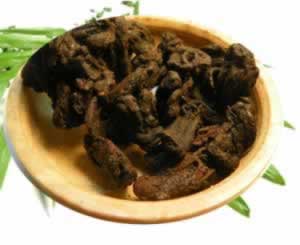
garcinia dried fruits
- Common Names
- Garcinia Fruit , Brindleberry, Hydroxycitric Acid (HCA), Gambooge
- Botanical Name
- Garcinia cambogia
- Family
- CLUSIACEAE OR GUTTIFERAE

Medicinal Uses & Benefits of Garcinia Fruit
 How to Use|
Side Effects |
Plant & Garden|
How to Use|
Side Effects |
Plant & Garden|
- Medicinal Uses: * Ayurvedic
* Diet/weight Loss
- Properties: * Appetite Depressant * Stimulant
- Parts Used: Fruit
- Constituents: hydroxycitric acid, essential oil (50% carvone), tannins, potassium
How to Use: Garcinia Fruit
Both Garcinia cambogia and the extracted acid HCA are widely used in weight control formulas. HCA inhibits the formation of fatty acids and therefore less fat is available to the cells to be stored by the body. HCA also reduces appetite according to studies. Over-the-counter weight loss supplements for weight control usually offer HCA in dosages of 250 to 1,000 mg 3 times daily. HCA is available in many forms, including capsules, powders, tablets, and even snack bars. Products are often labeled Garcinia cambogia and standardized to contain a fixed percentage of HCA. Why use the whole fruit? What garcinia fruit offers that HCA supplements do not is potassium. The HCA in supplements is bound to calcium and is poorly absorbed.
Preparation Methods & Dosage : Garcinia fruit may be infused in tea although quite bitter. Use a small amount in conjunction with other herbs to make it more palatable. Garcinia may be taken as a capsule or extract. Mangosteen is available as a imported fresh fruit, or sold in commercial brands as a reconstituted juice containing both the inter and outer fruit.
Garcinia Fruit Remedies
Ayurvedic Medicine
 The fruits of both the Garcina gambodia and Garcinia mangostana have been used in Ayurvedic medicine and in Indian cuisine for centuries. Uses include help with rheumatism, digestive complaints, and as part of a heart tonic.
Plant Description
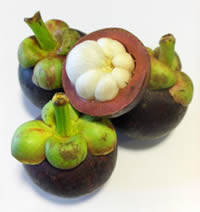
Garcinia mangostana
Garcinia cambogia is a yellowish fruit native to India and has been long used in their Ayurvedic traditions to treat rheumatism and bowl complaints.
Regional Traditions :Ayurvedic *
Related Species Mangosteen - Garcinia mangostana: Mangosteen is a tropical fruit that is heavily marketed as a 'superfood', based on research into its chemical constituents xanthones, which are present in the inedible outer rind of the fruit. Mangosteen does have many traditional medicinal uses in its native Asia, but the science is still being disputed. 1
 Works Cited
Looking for Aroma Therapy? Visit Annies Aroma Therapy

Looking for something you can read offline? Join our mailing list and get a free copy of Methods for Using Herbs. This free handbook includes instructions on how to make basic herbal preparations at home. It covers making herbal teas, herb infused oils and balms, tinctures, and more.