


Rooibos Aspalathus linearis
- Common Names
- Rooibos , Redbush Tea, Red tea
- Botanical Name
- Aspalathus linearis
- Family
- FABACEAE

Medicinal Uses & Benefits of Rooibos
 How to Use|
Side Effects |
Plant & Garden|
How to Use|
Side Effects |
Plant & Garden|
- Medicinal Uses: * African
* Culinary/Kitchen
* Herbal Teas
* Longevity Tonics
* Sleep/Insomnia
- Properties: * Antioxidant * Stimulant * Stress
- Parts Used: Leaves
- Constituents: aspalathin, a flavonoid, trace fluoride, calcium and manganese, tannin
How to Use: Rooibos
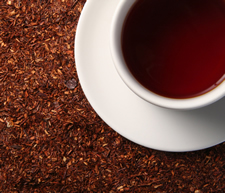
The vibrant amber red tint of Rooibos comes from the natural color that develops during the post-harvest oxidation process, brought about by natural enzymes in the plant as they are dried in the sun. This natural fermentation process enriches the flavor of the leaves and gives them their distinctive red color.
The distinctive red color and sweet taste of Rooibos makes this African import a healthy, caffeine free drink suitable for the whole family. Rooibos is a good source of antioxidants which could play a role in combating several lifestyle diseases, boost the immune system and act as a cancer preventative. 32
Preparation Methods & Dosage :Rooibos is one of the most popular herbal teas Rooibos tea can also be used in skin care as a bath additive and skin scrub.
Rooibos Remedies
Rooibos Side Effects: After centuries of use, no negative side effects of Rooibos have ever been recorded.
Plant Description
PICT2814_.JPG)
- Flowers:Small yellow flowers. Each flower produces a small legume with a single seed inside.
- Leaves: Needle like
- Distribution:Rooibos belongs to the Aspalathus plant group, which consists of more than 200 species originating in the Cedarberg mountains of South Africa (rooibos grows exclusively in the Cedarberg Mountain region and around Clanwilliam and Citrusdal, due to the specific climatic and geological conditions of the region).
Regional Traditions :African *
History and Traditions & Folklore
Rooibos (Afrikaans for 'red bush'; pronounced 'ROY-BOSS') The ancient Khoi and San people are believed to be the first to discover that the needle-like Rooibos leaves can be used to make a refreshing brew. Early Dutch settlers at the Cape started drinking Rooibos as an alternative to the very expensive black tea from Europe. Large-scale cultivation and industrial processing of the plant started during the 1930s.
References:
 Works Cited
Works Cited- 32. South African Rooibos Council. "Health benefits of rooibos", (2005-2006),SARC Rooibos is a good source of antioxidants and is the only known source of a potent antioxidant aspalathin, which could play a role in combating several lifestyle diseases. Rooibos has proven cancer-fighting properties in animal research studies. Japanese research into the effects of oligosaccharides, also found in Rooibos, indicates that these compounds may aid the immune system in fighting viral infections.
Looking for Aroma Therapy? Visit Annies Aroma Therapy

Looking for something you can read offline? Join our mailing list and get a free copy of Methods for Using Herbs. This free handbook includes instructions on how to make basic herbal preparations at home. It covers making herbal teas, herb infused oils and balms, tinctures, and more.