


Maca Lepidium peruvianum
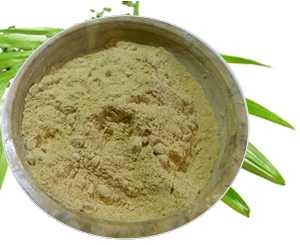
maca root powder
- Common Names
- Maca root , Maca, Peruvian ginseng, maka
- Botanical Name
- Lepidium peruvianum
- Syn. L weddellii, L. affine, L. gelidium
- Family
- BRASSICACEAE

Medicinal Uses & Benefits of Maca Root
 How to Use|
Side Effects |
Plant & Garden|
How to Use|
Side Effects |
Plant & Garden|
- Medicinal Uses: * Aphrodisiac
* Immune
* Libido
* Longevity Tonics
* Menopause
- Properties: * Adaptogens * Immunostimulant * Phytoestrogen
- Parts Used: root
- Constituents: sugars and proteins,uridine, malic acid and its benzoyl derivative, glucotropaeolin and m-methoxyglucotropaeolin
How to Use: Maca
Maca has been growing in world popularity over the last several years due to several large U.S. marketing campaigns touting its energizing and hormonal balancing properties. As a female tonic, maca may help with menstrual irregularities, female hormonal imbalances, and unwanted symptoms of menopause. 2 Maca root is often combined with other herbs like Tribulus to help increase libido, and to assist both sexes in promoting a healthy sexual response.
Other uses concentrate on maca as a energy tonic in those debilitated with chronic fatigue syndrome.
The synergy of so many amino acids, vitamins, and minerals in their natural states may increase the assimilation, uptake, and utilization of them in the body makes maca a good source of energy and nutrition.
Preparation Methods & Dosage : Whole root,root powder, and liquid extracts. The whole root can be eaten raw, sliced, cooked, boiled or baked. The powder can be mixed in water or teas, sprinkled on food or encapsulated.
Maca Remedies
Maca Side Effects: Most Maca roots are being wildharvested and we foresee grave danger for the safety and sustainability of this botanical. As with all potentially endangered plants, consume consciously.
Plant Description
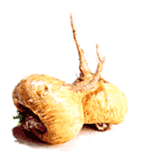
Maca is a hardy perennial tuber, a member of the radish family that only thrives in the glaciated slopes of the Andes with a prime elevation of 12,000 to 15,000 feet above sea level.
History and Traditions & Folklore
Native Peruvians traditionally have utilized maca since pre-Incan times for both nutritional and medicinal purposes Works Cited
- D'Arcy G. Exploring the flora of the Andean highlands Altern Complement Ther. December 2004:321-325.
- Meissner HO, Mscisz A, Reich-Bilinska H, et al. Hormone-balancing effect of pre-gelatinized organic maca (Lepidium peruvianum Chacon): (II) physiological and symptomatic responses of early-postmenopausal women to standardized doses of maca in double blind, randomized, placebo-controlled, multi-centre clinical study. Int J Biomed Sci. 2006;2(4): 360-374. American Botanical Council
Looking for Aroma Therapy? Visit Annies Aroma Therapy
Looking for something you can read offline? Join our mailing list and get a free copy of Methods for Using Herbs. This free handbook includes instructions on how to make basic herbal preparations at home. It covers making herbal teas, herb infused oils and balms, tinctures, and more.