


Ginger Zingiber officinale
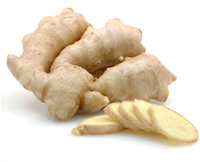
fresh ginger root
- Common Names
- Ginger Root , Luyang Dilaw
- Botanical Name
- Zingiber officinale
- Family
- ZINGIBERACEAE

Medicinal Uses & Benefits of Ginger Root
 How to Use|
Side Effects |
Plant & Garden|
Aromatherapy Oil |
How to Use|
Side Effects |
Plant & Garden|
Aromatherapy Oil |
- Medicinal Uses: * Amenorrhea
* Aromatherapy
* Arthritis
* Ayurvedic
* Bruises/sprains
* Cardiovascular
* Cholesterol
* Circulation
* Colds
* Cramps/abdominal
* Culinary/Kitchen
* Digestion
* Dysmenorrhea
* Fibromyalgia
* Flu
* Herbal Teas
* IBS
* Longevity Tonics
* Lupus
* Nausea
* Rheumatoid_arthritis
* Thanksgiving Harvest
- Properties: * Analgesic * Anodyne * Antioxidant * Antirheumatic * Antispasmodic * Aphrodisiac * Aromatic * Astringent * Bitter * COX-2 Inhibitor * Digestive * Energize * Mental Clarity * Mood * Muscle Relaxant * Stimulant * Vasodilator * Warm
- Parts Used: Root
- Constituents: volatile oil, (mainly zingiberone and bisabolene), oleoresin (containing the pungent principles gingerols, shogaols and zingerone), fats, protein, starch, vitamins a and b, minerals, amino acids.
How to Use: Ginger
Health benefits of Ginger: Ginger can be used safely to treat a wide range of health problems, from simple nauseato arthritis. (Weed) The aspect I most appreciate about ginger is what a good supporting player it is in herbal formulas. Ginger combines well with many herbs, improving taste and potency. Ginger speeds up the delivery of healthy plant chemicals into the bloodstream. Ginger is also a blood thinner, which may help reduce angina episodes by lowering cholesterol. The increase in blood flow helps relieve abdominal cramps and open the pelvis to bring on menstruation. (Gladstar, 36)
Ginger in Chinese herbal medicine: Ginger may be one of the most important plants used in herbal medicine, it is certainly one of the most used. The cultivation of this plant extends so far back in human history that specific origins are hard to trace, however, ginger is mentioned in the eldest medical texts from both India and China. Ginger is one of the most prescribed herbs in TCM, Sheng-jiang (fresh ginger) is used in the treatment of colds for it's ability to eliminate toxins and raise body heat. (Foster, Steven, Chongxi)
Sesame seeds and sesame seed oil are used for food and skin care and have a rich tradition of medicinal use. Sesame seeds are used in Chinese medicine as a treatment for hair loss, and as a liver tonic, according to pharmacognosist Albert Leung, Ph.D. Both ginger root and sesame are invigorating to the scalp and can stimulate hair growth. For a ginger oil treatment, grate fresh ginger root and mix it with sesame oil. Massage the ginger oil into your scalp and leave it on for about 10 minutes. Rinse and shampoo your hair.
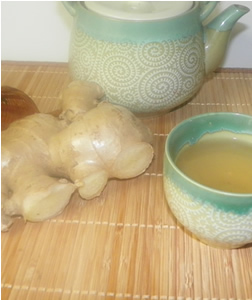
Ginger Root Tea: Make the firm, smooth skinned roots of fresh ginger root a household staple, and keep plenty of ginger on hand for both herbal medicine and healthy cooking. Drink ginger tea as a delicious daily tonic to enjoy its many benefits on your health and well being.
.Preparation Methods & Dosage :Ginger root tea is a light golden color, and the taste is spicy, hot, and sweet. The fresh root makes a slightly sweet tea, dried ginger is slightly hotter and drier. Ginger is one of my favorite teas, as a single ingredient and as an addition to other herbal blends. You should drink ginger tea daily for a healthy tonic. Hot ginger tea served with lemon and honey is a delicious way to control nausea of all types- especially effective in curbing motion sickness, morning sickness, and postoperative and chemotherapy-induced nausea. Ginger also improves digestion, which can prevent stomach upsets from occuring. The fresh grated ginger root, readily available at most food stores, is a great addition to herbal teas, adding a spicy, hot zest to your favorite dishes. The essential oil is marvelous in massage blends and aroma lamps. Ginger combines well with turmeric, which is also anti-inflammatory and pain-relieving.
Ginger Remedies
Ginger : Essential Oil Profile
Ginger oil has a warm, spicy-woody odor. Warms the body and relaxes tight and sore muscles.

The Chinese names for ginger Gan-jiang dried ginger, and Sheg-jiang, fresh ginger, mean to defend, suggesting that ginger helps protect the body from cold. Pulverized fresh ginger applied as a poultice to the head two to three times a day was once used as a (Chinese) folk treatment for baldness, and fresh ginger rubbed on the affected area is a folk remedy for vitiligo. The juice squeezed from the fresh root has also been used in the treatment of burns. In modern China ginger is probably used in half of all Chinese herbal prescriptions. Chinese healers believe than even moderate amounts of ginger tea strengthen the lungs and the kidneys.
Ayurvedic Medicine
 Ginger is an important part of Ayurvedic medicine and cooking, and may have originated in tropical Indian.
Ginger Side Effects: Ginger is a blood thinner, if you are taking prescription blood thinners, have a bleeding disorder, or have gallbladder disease don't take medicinal doses of ginger. Pregnant women should be cautious in their use of ginger, it can stimulate the uterus. If this is a concern for you, consider using Cardamom instead.
Plant Description
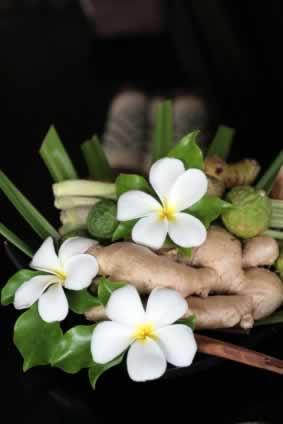
Ginger with flowers
- Flowers: In Hawaii, ginger flowers and pinkish, white. Chinese species bear yellowish, green flowers
- Plant Class:Tuber- perennial reed-like
- Leaves: Swordlike leafy stems that branch off a corn-like stalk
- Rhizome: Fleshy, aromatic and covered with a light green skin. Older roots, like most seen in grocery stores have a light tan skin.
- Preferred Habitat:Tropical
- Flowering Season:Spring
- Distribution: Native to East Asia and tropical Australia
The ginger family of plants is a tropical group, and the genus Zingiber includes about 85 species of aromatic herbs from East Asia and tropical Australia. Ginger flowers have an aromatic smell, but the ginger root, properly called a rhizome, is considered the most useful part of the plant. The odor of ginger is penetrating and aromatic, its taste spicy hot and biting.
Regional Traditions :African * Ayurvedic * Southeast Asia * Traditional Chinese Medicine *
How to Grow Ginger
Ginger can be grown outdoors only in the southernmost U.S., and it thrives in Hawaii. It can be grown indoors as a container plant in colder climes, it requires bright light, warm conditions and high humidity. Young ginger roots are the best for planting. Chinese food markets are a good source, look for those roots with greenish tinted skins. Planters should be at least 10 inches deep.
History and Traditions & Folklore
Zingiber officinale has been cultivated for so long that its exact origin is unclear. Used for a millennia in both China and India, it reached the West at least two thousand years ago. The Spanish conquistadors brought ginger from Spain, and it was established as a commercial crop in Jamaica. Works Cited
Looking for Aroma Therapy? Visit Annies Aroma Therapy
Looking for something you can read offline? Join our mailing list and get a free copy of Methods for Using Herbs. This free handbook includes instructions on how to make basic herbal preparations at home. It covers making herbal teas, herb infused oils and balms, tinctures, and more.