


Grapefruit Citrus paradisi
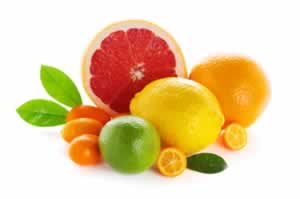
- Common Names
- Grapefruit
- Botanical Name
- Citrus paradisi
- Family
- RUTACEAE

Medicinal Uses & Benefits of Grapefruit
 How to Use|
Side Effects |
Plant & Garden|
Aromatherapy Oil |
How to Use|
Side Effects |
Plant & Garden|
Aromatherapy Oil |
- Medicinal Uses: * Aromatherapy
* Athletes Foot/Ringworm
* Cellulite
* Diet/weight Loss
* Green Home
- Properties: * Antioxidant * Antispasmodic * AntiViral * Appetite Depressant * Aromatic * Depurative * Mental Clarity * Mood * Refresh * Refrigerant * Stimulant
- Parts Used: rind of fruit, seeds
How to Use: Grapefruit
Grapefruit is a slimming addition to the diet that is low in calories and can help to reduce obesity. Grapefruit increases circulation, stimulates the lymphatic system, has a cleansing effect on the kidneys, and may help to regulate body weight with regular use. Studies show that the phytochemicals called liminoids in pink and red grapefruit make them powerful LDL cholesterol busters. The grapefruit diet or "Mayo diet" predates the Internet. The main premise is to eat an Atkins like regimen with lots of meat and little or no starch and drink or eat grapefruit at every meal. Grapefruit contains high amounts of the antioxidant vitamin C which helps in weight loss.
Aromatherapists also recommend grapefruit essential oil to help dampen appetite and reduce the appearance of cellulite in problem areas like belly and thighs. Grapefruit oil is used in massage blends as an astringent skin toner and to stimulate the lymphatic system. Grapefruit oil is used as an antiseptic and astringent oil to treat muscle fatigue, stiffness, acne, fluid retention, and to improve skin tone. It may even aid hair growth.
Grapefruit seed extracts are extracted from the grapefruit seeds, pulp and inner rind of the fruit. They can be helpful in fighting both bacterial and parasitic infections. Some people take grapefruit seed extracts as a preventative when they travel to places where the water is questionable. Grapefruit extract is user-friendly, versatile,easy to use, and environmentally safe, so safe in fact that you can use it to purify drinking water to kill disease causing pathogens when traveling, or in cases of emergency (ten drops per gallon of clear water). It is often added to homemade cosmetic and medicinal formulations to extend shelf-life.
Preparation Methods & Dosage :Grapefruit essential oil is used in aromatherapy. Grapefruit seed extract is used as a preservative and antibacterial agent. Dried grapefruit peel is added to herbal teas, and of course the fruit is a healthy source of vitamin C.
Grapefruit Remedies
Grapefruit : Essential Oil Profile
Cold-pressed from the peel of the common grapefruit. It has a fresh, sweet, bitter, citrus aroma. Cooling to the body and uplifting to the mood.It is used to scent citrus perfumes and colognes, soaps, creams and lotions. Especially appreciated by children.
Grapefruit Side Effects: Because grapefruit can interfere with the breakdown of certain medications, including statins and calcium channel blockers, don't eat a lot of grapefruit or drink the juice as a snack if you're on these medications.
Plant Description
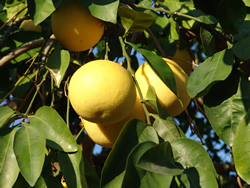
- Plant Class: Evergreen subtropical citrus tree, 16 to 20 feet in height. Citrus x paradisi is a hybrid of (C. maxima) and (C. x sinensis)
- Flowers/Fruit/Seeds:Yellow-orange skinned, spherical, with white, pink or red pulp depending on the cultivar
- Parts used: Fruits, seeds, essential oil, peel
- Leaves:Dark green, thin - up to 6 inches long
- Flowering Season:
- Distribution: Subtropical, major producers in the US are FLA, TX, AZ and CA.
Related Species
Citrus aurantifolia, C.limetta Lime
Citrus begamia Bergamot
Citrus limonum Lemon
Citrus sinensis Orange
History and Traditions & Folklore
Botanically, it was not distinguished from the pomelo until the 1830s, when it was given the name Citrus paradisi. Its true origins were not determined until the 1940s. This led to the official name being altered to Citrus × paradisi. Wikipedia Works Cited
- . Grapefruit Interacting Drugs and Associated Oral Bioavailability, Adverse Event(s), Risk Ranking and Potential Alternative Medications , Canadian Medical Association Journal, (March 2013): The full list of medications ? totaling more than 85 drugs ? was published in the March issue of the Canadian Medical Association Journal.3 Such drugs have grapefruit-interaction risks ranging from very low to very high.,

- Dr. Arthur Agatston . Cholesterol-Lowering Snacks, TheSouthBeachDietTMNewsletter_20100303, (March 2010): Studies show that the phytochemicals called liminoids in pink and red grapefruit make them powerful LDL busters. But this snack is not for everyone. Because grapefruit can interfere with the breakdown of certain medications, including statins and calcium channel blockers, don't eat a lot of grapefruit or drink the juice as a snack if you're on these medications.,
Looking for Aroma Therapy? Visit Annies Aroma Therapy

Looking for something you can read offline? Join our mailing list and get a free copy of Methods for Using Herbs. This free handbook includes instructions on how to make basic herbal preparations at home. It covers making herbal teas, herb infused oils and balms, tinctures, and more.