


Sarsaparilla Smilax sarsaparilla
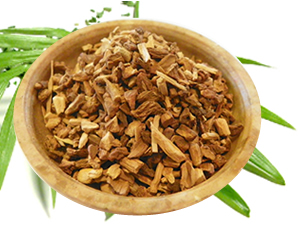
Sarsaparilla bark
- Common Names
- Sarsaparilla Root , zarzaparrilla
- Botanical Name
- Smilax sarsaparilla
- Family
- LILIACEAE

Medicinal Uses & Benefits of Sarsaparilla Root
 How to Use|
Side Effects |
Plant & Garden|
How to Use|
Side Effects |
Plant & Garden|
- Medicinal Uses: * Gout
* Psoriasis
* Rheumatoid_arthritis
- Properties: * Anti-inflammatory * Antibacterial * Antiscrofulous * AntiViral * Appetite Depressant * Depurative * Tonic
- Parts Used: Root
- Constituents: parillin (smilacin), glucoside, sarsapic acid, saponins: sarsasaponin, sarsaparilloside, many flavonoids and starch
How to Use: Sarsaparilla
The spicy Sarsaparilla root is what gave old fashioned root beer its bite and is the part used medicinally by herbalists for the prevention of gout, arthritis, inflammations of the joints, and is particularly useful for scaling skin conditions, like psoriasis, especially when accompanied by irritation. (Hoffmann, David, Kindle Locations 28617-28618) Sarsaparilla root contains saponins, which likely work by disabling bacterial components called endotoxins. (Duke,James, Ph.D.) Endotoxins show up in the bloodstreams of people with immune disorders such as psoriasis and rheumatoid arthritis.
For many years, people thought sarsaparilla had testosterone in it, but there is none present, or for that matter in any plant studied so far. While the effectiveness of the claimed applications is not documented well enough to win approval from the Commission E, there is strong evidence of its effectiveness in folklore and traditional herbal medicine.
Preparation Methods & Dosage :Sarsaparilla can be taken in capsules or extracts, but then you would miss out on one of natures best tasting herbs. Use 1 - 2 teaspoons of the chopped, dried root for each cup of water, boil and simmer.
Sarsaparilla Remedies
Sarsaparilla Side Effects: People with kidney problems or diabetes, should not take excessive doses. Not for long term use.
Plant Description

- Flowers: white/green clustered flowers.
- Plant Class:Perennial Climbing Vine
- Leaves:Stems erect, semiwoody, with very sharp prickles 1/2 inch long. Leaves large, heartshaped, almost evergreen with prominent veins
- Fruit: bright red to blue-black spherical berry fruit
- Preferred Habitat:Moist woodlands
- Root: Underground rhizome - part used medicinally. Large, knotted root
- Distribution:Tropical - South and Central America, China
Regional Traditions :North America *
Related Species Smilax cordifolia: Related spp. Similar properties, traditional for skin, obesity and diuretic
History and Traditions & Folklore
By the time the Spanish conquistadores arrived in the New World, they found the indigenous tribes using beverages made with sarsaparilla (sarsaparilla) as a general health tonic. This plant derived its name from being exported to Europe through Jamaica. The word Sarsaparilla comes from the Spanish Sarza, meaning a bramble, and parilla, a vine, in allusion to the thorny stems of the plant. Mountain Rose HerbsSarsaparilla root was registered in the U.S. Pharmacopoeia from 1820 to 1910 as a treatment for syphilis. (No longer supported)
 Works Cited
Looking for Aroma Therapy? Visit Annies Aroma Therapy

Looking for something you can read offline? Join our mailing list and get a free copy of Methods for Using Herbs. This free handbook includes instructions on how to make basic herbal preparations at home. It covers making herbal teas, herb infused oils and balms, tinctures, and more.