


Corn Silk Zea mays
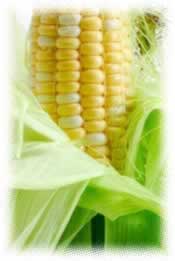
cornsilk
- Common Names
- Corn Silk , Indian Corn
- Botanical Name
- Zea mays
- Family
- GRAMINACEAE

Medicinal Uses & Benefits of Corn Silk
 How to Use|
Side Effects |
Plant & Garden|
How to Use|
Side Effects |
Plant & Garden|
- Medicinal Uses: * Bladder Infection (UTI)
* Herbal Teas
* Kidney
* South_American
* Thanksgiving Harvest
- Properties: * Anti-inflammatory * Astringent * Diuretic * Hepatic
- Parts Used: silk
- Constituents: fats, volatile oil, gums, resin, glycosides, saponins, alkaloids, vitamins c and k, sterols, plant acids, tannin, allantoin, potassium and calcium
How to Use: Corn Silk
Zea mays, the botanical name for corn comes from Greek, meaning to live. Mays comes from Spanish, the same word as a term in a native Mexican language meaning "mother," or "mother of life", reflecting the central importance of corn in the lives of early Americans. 121 Corn silk, the white and brown tipped tassels that surround an ear of corn end up in the trash in most kitchens, are the most interesting part of the plant to the herbalist. Corn silk tea has a long history of use in traditional folk medicine as a diuretic used to treat chronic inflammation in the urinary tract or kidneys. Duke 83 Cornmeal is also used in home herbalism as a binder for poultices.
Preparation Methods & Dosage :Usually taken as a tea, or extract.
Corn Silk Remedies
Corn Silk Side Effects: Do not use corn silk if you also take Lasix (furosemide), or any other prescriptions for water retention.
Plant Description
corn rows
Columbus discovered maize in the New World in 1492 and brought it back to Spain, from where it spread throughout Europe, to North Africa, the Middle East, India and China. Maize (Zea mays, or corn as it is known in some countries) is the only cereal crop that has an American origin and which is now a principal cereal crop in tropical and subtropical regions throughout the world. 121
Regional Traditions :Central and South America *
History and Traditions & Folklore
Zea mays, the botanical name for corn comes from Greek, meaning to live. Mays comes from Spanish, the same word as a term in a native Mexican language meaning "mother," or "mother of life." Native Americans taught the European settlers to drink a tea made from cornsilk. Both colonists and Indians used cornmeal poultices made from cornmeal boiled in milk, for burns. Works Cited
- 121. EUFIC. "The Origin of Maize",(2001)
Ret (07-10-2011): The ancient practice of soaking the maize meal overnight in lime water before making tortillas was never transferred to those countries in the Old World to which maize traveled or to communities subsisting largely on maize as a staple food. This almost invariably led to the niacin deficiency disease, pellagra. - 89. Duke,James, Ph.D. "The Green Pharmacy Herbal Handbook" ,pp 83,138-139,193-194: Extracts if corn silk are potent diuretics, giving rise to their use for all sorts of kidney-related and urinary complaints .
Looking for Aroma Therapy? Visit Annies Aroma Therapy

Looking for something you can read offline? Join our mailing list and get a free copy of Methods for Using Herbs. This free handbook includes instructions on how to make basic herbal preparations at home. It covers making herbal teas, herb infused oils and balms, tinctures, and more.