

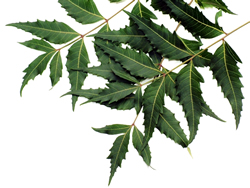
Neem Azadirachta Indica
- Common Names
- Neem , Margosa, Neem oil
- Botanical Name
- Azadirachta Indica
- Family
- MELIACEAE

Medicinal Uses & Benefits of Neem
 How to Use|
Side Effects |
Plant & Garden|
How to Use|
Side Effects |
Plant & Garden|
- Medicinal Uses: * Athletes Foot/Ringworm
* Ayurvedic
* Dental/Oral Care
* Hair
* Insect Repellent
* Lice
* Scabies
- Properties: * Antibacterial * Antifungal * Antiparasite * Emollient * Insect repellents * Purgative * Skin tonic
- Parts Used: leaves, twigs, and seed nut oil
How to Use: Neem
Neem has been used as a traditional cure in Ayurvedic medicine traditions in India since ancient times and is one of the oldest medicines in use today. Neem is valued for its leaves and nuts, even the twigs and bark are made use of in Indian villages. Neem oil is cold pressed from the whole nut and is exceptionally rich. The downside is the heavy, slightly unpleasant odor, however it is so effective that you can learn to live with it. Neem has antibacterial and antifungal activity and moisturizing and regenerative properties, contains Vitamin E, and has essential fatty acids. The antibacterial action can be explained by the plant's component azadirachtin, which is known to destroy the bacterial cell wall and thus inhibit the growth of bacteria.1 These medicinal properties make it ideal to treat a variety of skin conditions such as acne, eczema, psoriasis, scabies, and athletes foot.
Recent studies have shown neem to be an effective in reducing plaque-induced gingivitis and reversing periodontal disease when used as a mouth rinse. 1 Neem leaf powder can be used as an effective tooth powder when mixed with astringent herb powders and/or baking soda. Neem oil makes an effective scalp massage to eliminate dandruff and is used often as an ingredient in medicated soaps and organic hair care products and shampoos. 2
In the garden, neem stands out as a highly effective, but non-toxic insecticide and insect repellent . Neem contains more than 25 active compounds thatinsect_repellent combat insects. Neem also works as a systemic which is absorbed into the plant to be ingested by feeding insects. Many beneficial insects are unharmed by neem because they do not feed from the plant.
Preparation Methods & Dosage :For use in skin care for bacterial and fungus infections, acne, eczema, psoriasis, scabies, and athletes foot dilute with coconut oil, or other vegetable oil in a 10 to 20 percent solution. To treat parasites like mites, scabies and lice apply full strength to the affected area 2 to 3 times daily. Neem Oil is a natural insect repellent against mosquitoes,flies and garden pests, and kills fleas and ticks on pets. Just add a small amount to your pet's shampoo. Powdered neem leaves can also be added to home skin and hair preparations and used in tooth poweders.
Neem Remedies
Ayurvedic Medicine
 Neem trees are cherished in India, where they are considered good luck. The history of the Neem tree is in fact linked to the history of India and very much a part of the Indian way of life, and is often called the "village pharmacy".
Neem Side Effects: Neem oil does not irritate the skin, but has a distinctly earthy smell some will find unpleasant. Do not use on young children or nursing women. Large doses can be toxic if taken internally. Neem may react with some medications, check with your doctor before using.
Plant Description
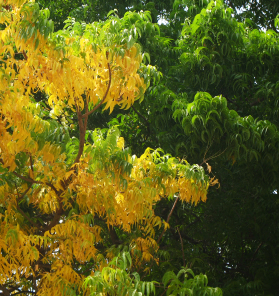
neem tree fall foliage
- Plant Class: Evergreen tree 30 to 40 feet in height
- Etymology: From the Persian azederach noble tree
- Flowers/Fruit/Seeds:Panicles of small yellow white flowers followed by reddish brown berries. The fragrant flowers scent the night air.
- Parts used: All parts are used, leaves, twigs and nut oil
- Leaves:pinate
- Flowering Season:Spring to early summer
- Distribution:Tropical regions of Eurasia and Africa
Regional Traditions :Ayurvedic *
 Works Cited
- Lad, Vasant B.A.M.S,M.A.Sc. "The Complete Book of Ayurvedic Home Remedies" .pp160 (1998)Three Rivers Press
- Chatterjee A, Saluja M, Singh N, Kandwal A. To evaluate the antigingivitis and antipalque [sic] effect of an Azadirachta indica (neem) mouthrinse on plaque induced gingivitis: a double-blind, randomized, controlled trial. J Indian Soc Periodontol. 2011;15(4):398-401. American Botanical Council
Looking for Aroma Therapy? Visit Annies Aroma Therapy
Looking for something you can read offline? Join our mailing list and get a free copy of Methods for Using Herbs. This free handbook includes instructions on how to make basic herbal preparations at home. It covers making herbal teas, herb infused oils and balms, tinctures, and more.