


Balm of Gilead Populus spp
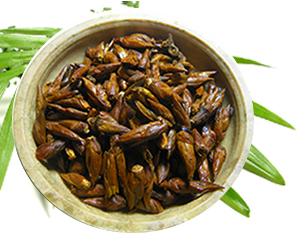
Poplar Buds
- Common Names
- Balm of Gilead , Poplar Buds
- Botanical Name
- Populus spp
- Family
- SALICACEAE
Medicinal Uses & Benefits of Balm Of Gilead
 How to Use|
Side Effects |
Plant & Garden|
How to Use|
Side Effects |
Plant & Garden|
- Medicinal Uses: * Burns
* Cuts & Wounds
* Rheumatoid_arthritis
- Properties: * Analgesic * Anodyne * Anti-inflammatory * Antibacterial * Antirheumatic * Astringent * Depurative
- Parts Used: Leaf buds
- Constituents: volatile oil, up to 2% (including cineole, bisabolene, bisabolol and humulene), resins, palicin and populin, phenolic acids.
How to Use: Balm of Gilead

Use poplar buds in balms
and pain relieving creams
Preparation Methods & Dosage : Infuse poplar buds in oil to make a naturally antibiotic and anti-inflammatory healing oil for arthritis pain. Poplar bud oil can be used as a base for salves and ointments for troubled skin.
Balm of Gilead Remedies
Balm of Gilead Side Effects: If you are sensitive to aspirin, you should not use Balm of Gilead.Recommended for external use only.
Plant Description
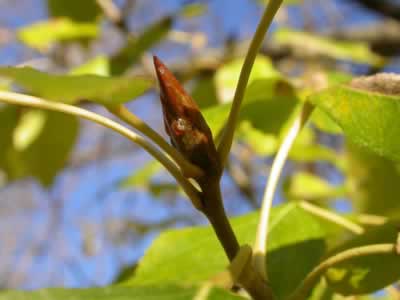
This is a large tree reaching a height of 100 feet with a maximum trunk diameter of about 6 1/2 feet with spreading branches, the young twigs slightly hairy, and with very resinous, fragrant buds. The broad, pointed leaves, 2 1/2 to 6 inches long, are somewhat heart-shaped at the base, fine toothed, dark green above, pale beneath, and hairy when young. The male and female flowers are borne in separate catkins 6 inches or less in length, which appear before the leaves. 2
Related Species Populus balsamifera, Populus spp, Populus trichocarpa ,Populus candicans, Commiphora opobalsamum
History and Traditions & Folklore
Gilead is a common name for several plants belonging to different taxonomic families. The American balm of Gilead is a species of poplar (Populus candicans) of the family Salicaceae (willow family) which has large balsamic and fragrant buds. The poplar is closely related to, and sometimes considered a variety of, the balsam poplar (P. tacamahaca), which has also been called balm of Gilead and tacamahac. The name balm of Gilead has also been used for the balsam fir. The historic Old World balm of Gilead, or Mecca balsam, is a small evergreen tree (Commiphora gileadensis, also once called C. opobalsamum) of the family Burseraceae (incense-tree family) native to Africa and Asia, it is referred to in the Bible in Jer. 8.22. The Ishmaelites from Gilead were bearing balm when they bought Joseph from his brothers. 2 Works Cited
-
 The Columbia Encyclopedia, Sixth Edition(2001)Ret (07-14-2008)
 - Sievers, A.F. 1930.The Herb Hunters Guide. Misc. Publ. No. 77. USDA, Washington DC
Looking for Aroma Therapy? Visit Annies Aroma Therapy
Looking for something you can read offline? Join our mailing list and get a free copy of Methods for Using Herbs. This free handbook includes instructions on how to make basic herbal preparations at home. It covers making herbal teas, herb infused oils and balms, tinctures, and more.