


Joe-pye weed Eupatorium purpureum

- Common Names
- Joe-pye weed , Gravel or kidney root, Trumpet weed, purple or tall boneset
- Botanical Name
- Eupatorium purpureum
- Family
- ASTERACEAE

Medicinal Uses & Benefits of Joe-pye Weed
Side Effects | Plant & Garden|
- Medicinal Uses: * Kidney
- Properties: * Anti-inflammatory * Bitter * Cathartic * Diuretic * emetic * Febrifuge * Nervine
- Parts Used: Rhizome and roots
- Constituents: flavonoids (including eupatorin), volatile oil, resin
How to Use: Joe-pye weed
Preparation Methods & Dosage :
Joe-pye weed Side Effects: No longer recommended in pregnancy
Plant Description
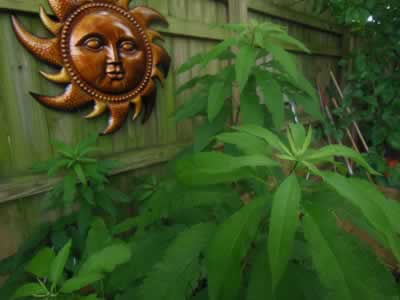
Joe Pye weed
- Flowers: Pale or dull magenta or lavender pink, slightly fragrant, of tubular florets only, very numerous,in large, terminal, loose, compound clusters, generally elongated. Several series of pink overlapping bracts form the oblong involucre from which the tubular floret and its protruding fringe of style-branches arise.
- Stem:3 to 10 ft. high, green or purplish, leafy, usually branching toward top.
- Leaves:In whorls of 3 to 6 (usually 4), oval to lance-shaped, saw-edged, petioled, thin, rough.
- Preferred Habitat:Moist soil, meadows, woods, low ground.
- Flowering Season:August - September
- Distribution:New Brunswick to the Gulf of Mexico, westward to Manitoba and Texas.
Towering above the surrounding vegetation of low-lying meadows, this vigorous composite spreads clusters of soft, fringy bloom that, however deep or pale of tint, are ever conspicuous advertisements, even when the golden-rods, sunflowers, and asters enter into close competition for insect trade. Slight fragrance, which to the delicate perception of butterflies is doubtless heavy enough, the florets' color and slender tubular form indicate an adaptation to them, and they are by far the most abundant visitors, which is not to say that long-tongued bees and flies never reach the nectar and transfer pollen, for they do. But an excellent place for the butterfly collector to carry his net is to a patch of Joe-Pye Weed in September. Joe-Pye, an Indian medicine-man of New England, earned fame and fortune by curing typhus fever and other horrors with decoctions made from this plant.
Netje Blanchan Wild Flowers worth Knowing(1917)History and Traditions & Folklore
Who was Joe Pye? His name has come down through oral tradition. Scholars have diligently tried to trace this legendary Indian herbalist and healer who supposedly befriended New England pioneers, but the name on the plant is really all that remains of him. He may have been a Mohegan who lived and practiced his homeopathic arts near Salem, Massachusetts, in colonial times. It is said that he brewed decoctions of the plant bearing his name to induce sweating in typhus fever. The name Eupatorium memorializes another, much earlier healer. This was first-century Mithradates IV Eupator, king of Pontus who was reputed to have used a plant of this genus for some ancient ache or pain. John Andrew Eastman. The Book of Swamp and Bog:Nature;pp 95 (1995) Works Cited
Looking for Aroma Therapy? Visit Annies Aroma Therapy

Looking for something you can read offline? Join our mailing list and get a free copy of Methods for Using Herbs. This free handbook includes instructions on how to make basic herbal preparations at home. It covers making herbal teas, herb infused oils and balms, tinctures, and more.