

Watercress Nasturtium officinale
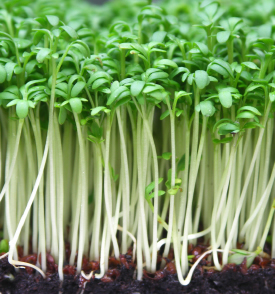
Fresh Watercress
- Common Names
- Watercress
- Botanical Name
- Nasturtium officinale
- Family
- BRASSICACEAE
Medicinal Uses & Benefits of Watercress
 How to Use|
Side Effects |
Plant & Garden|
How to Use|
Side Effects |
Plant & Garden|
- Medicinal Uses: * Chinese
* Cough
* Culinary/Kitchen
* Longevity Tonics
* Nutrition
- Properties: * Depurative * Digestive * Diuretic * Hypoglycemic
- Parts Used: Stems and leaves
- Constituents: vitamins a, c and e, nicotinamide, a glycoside, gluconastur-tin, volatile oil, manganese, iron, phosphorus, iodine, copper, calcium
How to Use: Watercress
Watercress is a nutritional culinary food that can also be considered a medicinal plant. The leaves have a high vitamin and mineral content and also help digestion. It has been used since the time of Hippocrates as a stimulant and expectorant in the treatment of coughs and bronchitis. Watercress can help reduce the prevalence and duration of colds when included in the diet along with garlic, onions, and cayenne. It is one of the natural food diuretics, with an action similar to parsley and asparagus. Increased consumption can help cleanse the body of toxins and water weight, while the high Vitamin C content helps your system absorb iron. Make watercress a part of your diet for health. 1,2
Preparation Methods & Dosage :Use the fresh green leaves in sandwiches and salads along with dandelion leaves and handful of nasturtium leaves for a healthy taste treat. The dried herb can be infused and taken as a tea. Watercress is rarely found as capsules and extracts, and in fact may not be effective in those forms.
Watercress Remedies
Watercress Side Effects: Wild watercress may be host to the deadly liver fluke. Use only plants grown commercially in watercress beds.

 Works Cited
- Mabey, Richard. "The New Age Herbalist",(1988)
- Hoffmann, David (2010-12-15). "Medical Herbalism: The Science and Practice of Herbal Medicine". Healing Arts Press.
- Duke,James, Ph.D. (2000). "The Green Pharmacy Herbal Handbook"
Looking for Aroma Therapy? Visit Annies Aroma Therapy
Looking for something you can read offline? Join our mailing list and get a free copy of Methods for Using Herbs. This free handbook includes instructions on how to make basic herbal preparations at home. It covers making herbal teas, herb infused oils and balms, tinctures, and more.