


Poke Root Phytolacca americana
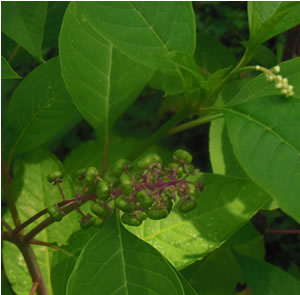
Phytolacca Americana Berries
- Common Names
- Poke Root , Pokeweed, American nightshade, pigeon berry, chui xu shang lu
- Botanical Name
- Phytolacca americana
- Syn. Phytolacca decandra
- Family
- PHYTOLACCACEAE

Medicinal Uses & Benefits of Poke Root
 How to Use|
Side Effects |
Plant & Garden|
How to Use|
Side Effects |
Plant & Garden|
- Medicinal Uses: * Cancer Prevention
* Colds
* Flu
* Psoriasis
* Scabies
* Sore Throat
- Properties: * Antibacterial * Antirheumatic * Immunostimulant * Purgative * Skin tonic * Vulnerary
- Parts Used: Tincture of the root
- Constituents: jaligonic-acid, oleanolic-acid , tannin, starch, xylose
How to Use: Poke Root
Pokeroot use is rooted in the folklore of the Amercian Indian and early settlers and is a staple of poor country folk in the South. This does not mean that poke root is a safe herb, it is most certainly not for the amateur herbalist. Use of pokeroot to treat serious conditions such as lymphedema, testicular inflammation, ovarian pain, or as an alterative for cancer, should be medically supervised. External use of the tincture for skin conditions should be only be attempted by those who are very knowledgeable in the use of herbal medicine. Mountain Rose Herbs (04-15-2010)
Preparation Methods & Dosage :Tinctures and oils made from chopped fresh root. Tincture in a dosage of one drop (that's right, one drop) per day. Do not overdose. Most often found in topical applications like creams, ointments, and oils. 2
 In the Kitchen: Poke salad , made famous in the "Poke Salad Annie" by a 1969 song written and performed by Tony Joe White., were a staple of poor households in the South. Several toxins have been identified in species of Phytolacca, usually concentrated in the roots, and the tender young shoots must be boiling 2 to 3 times, discarding the water after each, to make them safer for consumption. The seeds of the berries are toxic, which hasn't stopped frugal country women from baking them into pies, and the berry juice has been used in folklore as an arthritis cure. All told, you may wish to pass on eating poke leaves and berries, for less dangerous foodstuffs.
Poke Root Side Effects: Many authorities advise against eating pokeweed even after thrice boiling, as traces of the toxin may still remain. For many decades, poke salad has been a staple of southern U.S. cuisine, despite campaigns by doctors who believed pokeweed remained toxic even after being boiled. The toxins in the plant are concentrated in the roots, which should be used only under supervision of a professional in modern herbal medicine
Plant Description
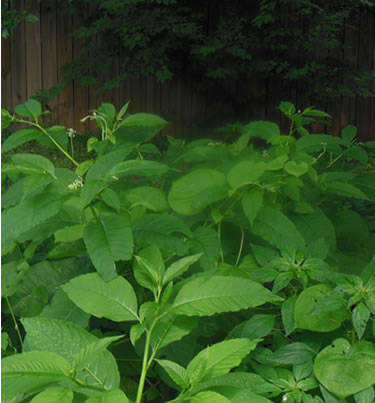
Phytolacca decandra
- Flowers/Fruit/Seeds:Bright red to purplish berries
- Plant Class:
- Herbaceous perennial, the plant dies back to the roots each winter. Can reach a height of 4 to 10 feet. The stem is often red as the plant matures. Upright, erect central stem early in the season. Changes to a spreading, horizontal form later in the season with the weight of the berries.
- Root: Large, fleshy, branched root, papery skin. The fresh root is gathered in Autumn, and made into tinctures for medicinal use
- Leaves:Dark green leaves, purplish-red stem
- Preferred Habitat:Light, rich soils
- Flowering Season: Throughout summer months
- Distribution:Native to North America
Regional Traditions :North America *
How to Grow Poke Root
Poke pops up around the garden whenever the soil is disturbed or plowed. Harvest the root in the fall when the stalks turn brown.
History and Traditions & Folklore
The uses of poke were handed down to European settlers by the American Indians who valued the plant as an emetic, and as a remedy in gonorrhoea and syphilitic rheumatism. Early American medicine used the root in ointments for the cure of many skin diseases, notably: psoriasis, eczema, capitis, and tinea cinata. A tincture of the berries was found to be curative of syphilitic and gonorrhoeal rheumatism as well as nonspecific forms of that disease. Also used as a stimulant vulnerary is syphilitic ulcers, and as a softening application in mastitis,as well as scrofulous swellings of the glands in general. It was experimented with as a cure for cancer but its success in the cure of these maladies never became noticeable.1
 Works Cited
- Millspaugh, Charles F. "American Medicinal Plants" (1882) 57[161]
- Mountain Rose Herbs
Looking for Aroma Therapy? Visit Annies Aroma Therapy
Looking for something you can read offline? Join our mailing list and get a free copy of Methods for Using Herbs. This free handbook includes instructions on how to make basic herbal preparations at home. It covers making herbal teas, herb infused oils and balms, tinctures, and more.