


Spearmint Mentha spicata
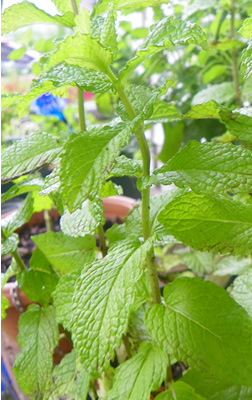
Spearmint plant
- Common Names
- Spearmint , Spear mint
- Botanical Name
- Mentha spicata
- Family
- LAMIACEAE
Medicinal Uses & Benefits of Spearmint
 How to Use|
Side Effects |
Plant & Garden|
Aromatherapy Oil |
Folklore
How to Use|
Side Effects |
Plant & Garden|
Aromatherapy Oil |
Folklore
- Medicinal Uses: * Aromatherapy
* Culinary/Kitchen
* Digestion
* Herbal Steam
* Herbal Teas
* IBS
- Properties: * Analgesic * Antifungal * Antioxidant * Aromatic * Astringent * Carminative * Digestive * Diuretic * Expectorant * Febrifuge * Insect repellents * Mental Clarity * Mood * Nervine * Refresh * Refrigerant * Stimulant
- Parts Used: Leaves, essential oil
- Constituents: small amounts of essential oil containing about 50% carvone, rosmarinic acid
How to Use: Spearmint
Preparation Methods & Dosage :Spearmint makes an excellent herb tea, and can be served both hot or cold. The essential oil is used mainly in aromatherapy diffusers and sprays for its uplifting scent.
Spearmint Remedies
Spearmint : Essential Oil Profile
Cooling and soothing oil helps break up congestion while lifting spirits Use spearmint to energize the mind and body.
Plant Description
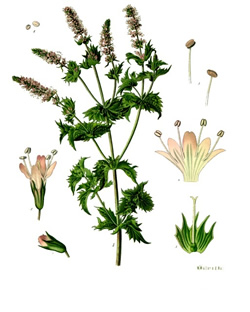
Koehler's Medicinal-Plants 1887
This common garden mint is originally a native of the Mediterranean region, has been so universally used and esteemed that it is to be found wild in nearly all the countries to which civilization has extended, sometimes being considered a troublesome weed by farmers.
Regional Traditions :European *
Related Species
Mentha piperita Peppermint
Mentha pulegium PennyRoyal
History and Traditions & Folklore
Many references to mints may be found in the oldest writings, among them, it is listed in all early medieval lists of plants and was certainly cultivated in the convent gardens of the ninth century. The Ancients used mint to scent their bath water and as a restorative.Its generic name, Mentha, is derived from the mythological origin ascribed to it, and was originally applied to the mint by Theophrastus. Menthe was a nymph, who because of the love Pluto bore her, was metamorphosed by Proserpine, from motives of jealousy, into the plant we now call mint. (Grieve, Maude
 Works Cited
Looking for Aroma Therapy? Visit Annies Aroma Therapy
Looking for something you can read offline? Join our mailing list and get a free copy of Methods for Using Herbs. This free handbook includes instructions on how to make basic herbal preparations at home. It covers making herbal teas, herb infused oils and balms, tinctures, and more.