


Devils Claw Harpagophytum procumbens
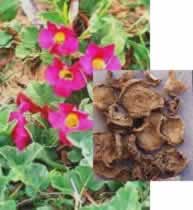
- Common Names
- Devil's Claw , grapple plant, wood spider
- Botanical Name
- Harpagophytum procumbens
- Family
- PEDALIACEAE
Medicinal Uses & Benefits of Devil's Claw
 How to Use|
Side Effects |
Plant & Garden|
How to Use|
Side Effects |
Plant & Garden|
- Medicinal Uses: * African
* Cardiovascular
* Fibromyalgia
* Gout
* Liver
* Lupus
* Pain Relief
* Rheumatoid_arthritis
- Properties: * Analgesic * Anodyne * Anti-inflammatory * Bitter * Cordial
- Parts Used: tuberous root
- Constituents: aluminum, calcium, chlorogenic acid, chromium, harpagide, kaempferol, luteolin, magnesium, oleanolic acid, selenium, tin, zinc
How to Use: Devils Claw
Devils claw tubers contain a group of chemicals called iridoids that have anti-inflammatory activity, the two active ingredients in devil's claw are harpagoside and beta sitosterol. This herb has an extensive history of use as an anti-inflammatory, pain reliever, and digestive stimulant.
Devils claw offers slow but sure relief of joint pain caused by both osteoarthritis and rheumatoid arthritis, and it has also been shown to relieve muscle pain and enhance mobility for people with either arthritis or muscle injuries. Scientists don't know exactly how devil's claw works at this time, other than that it is not a COX-2 inhibitor like NSAIDs, and therefore is not potentially injurious to the heart. 1
Because improper digestion of protein plays a role in gout, causing the uric acid buildup, this is a remedy tailor-made for people with gout.
Preparation Methods & Dosage :Drink a strong decoction of Devil's claw once a day for slow but steady relief of joint pain caused by both osteoarthritis and rheumatoid arthritis, sports injuries and muscle pain. Also found in encapsulated and tincture forms.
Devils Claw Side Effects: Not recommended for those with an ulcer. High doses could interfere with blood pressure, heart, and diabetes medications.
Plant Description
Devil's claw ( Harpagophytum procumbens ) originates from the Kalahari and Savannah desert regions of South and Southeast Africa. In these parts of the world, devil's claw has historically been used to treat a wide range of conditions including fever, malaria, and indigestion.2
Regional Traditions :African *
 Works Cited
Looking for Aroma Therapy? Visit Annies Aroma Therapy

Looking for something you can read offline? Join our mailing list and get a free copy of Methods for Using Herbs. This free handbook includes instructions on how to make basic herbal preparations at home. It covers making herbal teas, herb infused oils and balms, tinctures, and more.