

Bergamot Citrus bergamia
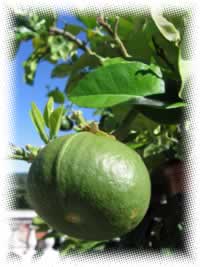
bergamot fruit
- Common Names
- Bergamot Oil
- Botanical Name
- Citrus bergamia
- Family
- RUTACEAE

Medicinal Uses & Benefits of Bergamot Oil
 How to Use|
Side Effects |
Plant & Garden|
Aromatherapy Oil |
How to Use|
Side Effects |
Plant & Garden|
Aromatherapy Oil |
- Medicinal Uses: * Anxiety
* Aromatherapy
* Candida/yeast
* Depression
* Digestion
* Herpes/Cold Sores
* Sore Throat
- Properties: * Analgesic * Antibacterial * Antidepressant * Antispasmodic * Anxiety * Balance * Cicatrisant * Deodorant/Perfumes * Digestive * Energize * Febrifuge * Mood * Sedative * Skin tonic * Stress * Vermifuge * Vulnerary
- Parts Used: Oil expressed from peel
- Constituents: linalyl acetate, bergamotine, beraptene, d-limonene, linalool
How to Use: Bergamot
The fresh, uplifting scent of bergamot essential oil is used to stabilize the emotions, calm and tone the nervous system, relieve tension and insomnia, and is beneficial for anxiety and depression. (Tisserand,Robert B. "Art of Aromatherapy")
Bergamot essential oil is very useful as an anti-infectious agent and is effective against a wide number of microorganisms. Bergamot essential oil has been used in traditional medicine for intestinal worms and fever, respiratory infections, urinary tract infections, and skin problems. Coconut oil with a few drops of bergamot essential oil makes a wonderful chapped lip and cold sore treatment in the winter. Keep a small jar handy and apply liberally. White, Linda B. M.D.
Bergamot essential oil aids digestion and can relieve symptoms of colic and gas when massaged into the abdomen.
Preparation Methods & Dosage : Use the oil in massage blends, aroma lamps, and baths. Along with neroli and lavender it is one of the principal ingredients in the classic Eau-de-Cologne.
Bergamot Remedies
Bergamot : Essential Oil Profile
Bergamot oil is cold-pressed from the peel while the fruit is green in color and nearly ripe. It has a fresh sweet citrusy aroma with a floral undertone. The uplifting note of bergamot oil is what you first notice when opening a tin of Earl Grey tea.
Bergamot Side Effects: Bergamot oil has a slightly irritation effect on the skin in high concentrations, but the reverse if used in moderation (1%). Increases the skin's sensitivity to sunlight.
Plant Description
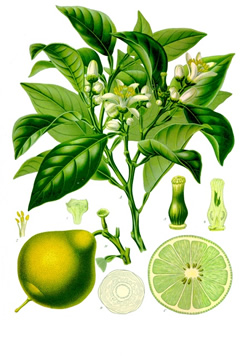
Koehler's Medicinal-Plants 1887
Native to Asia, now cultivated in southern Italy and the Ivory Coast, Bergamot is a small tree that grows up to 16 feet, with fruit that looks similar to small, pear shaped oranges.
Related Species
Citrus aurantifolia, C.limetta Lime
Citrus limonum Lemon
Citrus paradisi Grapefruit
Citrus sinensis Orange
History and Traditions & Folklore
Bergamot essential oil has been used since the sixteenth century, there are references to it in many of the older herbals. It is believed that Columbus introduced bergamot to the new world from the Canary Islands.
 Works Cited
- Robert B Tisserand. "Art of Aromatherapy,The " Healing Arts, (1977) As a nerve sedative it is valuable for depression and states of anxiety..
- Marlene Ericksen. "Healing with Aromatherapy" McGraw-Hill, (2000) Bergamot is antibacterial, and effective in treatment of bladder infections and vaginitis used in a sitz bath. To treat sore throats use 3 drops of bergamot with 1/8 teaspoon salt in 1/2 cup warm water as a gargle .
- Hasnain Walji, Ph.D.. "Healing Power of Aromatherapy,The " Prima Lifestyles, (1996)
Looking for Aroma Therapy? Visit Annies Aroma Therapy
Looking for something you can read offline? Join our mailing list and get a free copy of Methods for Using Herbs. This free handbook includes instructions on how to make basic herbal preparations at home. It covers making herbal teas, herb infused oils and balms, tinctures, and more.