


Fenugreek Trigonella foenum-graecum
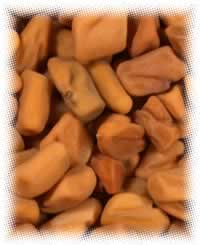
closeup fenugreek seeds
- Common Names
- Fenugreek
- Botanical Name
- Trigonella foenum-graecum
- Family
- FABACEAE

Medicinal Uses & Benefits of Fenugreek
 How to Use|
Side Effects |
Plant & Garden|
Folklore
How to Use|
Side Effects |
Plant & Garden|
Folklore
- Medicinal Uses: * Ayurvedic
* Culinary/Kitchen
* Diabetes
- Properties: * Breath * Galactagogue * Hypoglycemic
- Parts Used: seeds
- Constituents: arginine, beta-carotene, beta-sitosterol, coumarin, diosgenin, fiber, gamma-aminobutyric acid (gaba), kaempferol, luteolin, magnesium, manganese, niacin, potassium, pyridoxine, quercetin, riboflavin, rutin, sulfur, thiamine, trigonelline, tryptophan, vite
How to Use: Fenugreek
Fenugreek is a medicinal food plant that has the beneficial effect of lowering blood sugar. The bitter seeds called methi in India, are used as a condiment and the leaves are used in teas. Fenugreek contains potent antioxidants that have beneficial effects on the liver and pancreas, making it useful in the treatment of diabetes, high cholesterol, and digestive disorders. 1,2
Preparation Methods & Dosage : The hard, brown,red and yellow seeds are the part used medicinally and in cooking. Fenugreek is very bitter and generally taken in, seed powder capsules and extracts. If you wish to use fenugreek to lower blood sugars, it is better to use the powder rather than the whole seed. The powder releases more vanadium as it is digested. 4
Fenugreek Remedies
Ayurvedic Medicine
 Traditional herb now showing extensive benefits for diabetes
Fenugreek Side Effects: Avoid fenugreek if you are allergic to chickpeas, and Fenugreek should not be taken medicinally when pregnant, however moderate use in food should be fine. 4
Plant Description
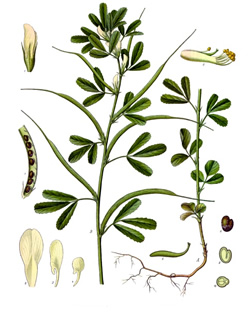
Koehler's Medicinal-Plants 1887
Fenugreek is an annual member of the pea family, native to the Mediterranean. The plant grows to a height of about three feet, has three part leaves, and yellow-white pea-like flowers.
Regional Traditions :Ayurvedic * Middle East *
History and Traditions & Folklore
Used since ancient times in Egypt, Greece and Rome, fenugreek seeds were said to be almost a panacea (good for everything). Traditional uses included bronchial problems, tuberculosis, gout, general body pain, swollen glands, skin problems and low libido.Tukankhamen was entombed with seeds from this ancient herb
 It is under the influence of Mercury, hot in the second degree, and dry in the first.
Nicholas Culpeper, 1653
 Works Cited
- James Duke. "The Green Pharmacy Herbal Handbook" Rodale Books, (2000) In both laboratory studies on animals and clinical research involving people with type 1 or type 2 diabetes, fenugreek has significantly lowered blood sugar, thanks to some six different phytochemical compounds.
- . Fenugreek seed Expanded Commision E Monographs , ABC, (): Modern clinical studies have investigated its hypocholesterolemic and hypoglycemic actions in normal and diabetic humans.,

Looking for Aroma Therapy? Visit Annies Aroma Therapy
Looking for something you can read offline? Join our mailing list and get a free copy of Methods for Using Herbs. This free handbook includes instructions on how to make basic herbal preparations at home. It covers making herbal teas, herb infused oils and balms, tinctures, and more.