

Snakeroot Aristolochia spp
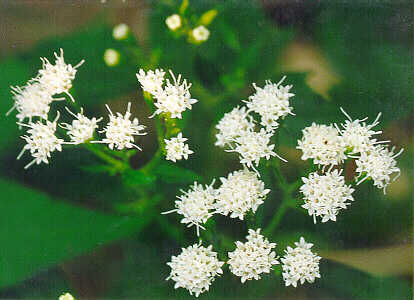
Snakeroot flower
- Common Names
- Snakeroot , Virginia snakeroot, birthworts, pipevines or Dutchman's pipes
- Botanical Name
- Aristolochia spp
- Syn. Serpentatiae Rhizoma
- Family
- ARISTOLOCHIACEAE
Medicinal Uses & Benefits of Snakeroot
 How to Use|
Side Effects |
Plant & Garden|
How to Use|
Side Effects |
Plant & Garden|
- Medicinal Uses: * Chinese
- Properties: * Bitter * Depurative * Diaphoretic * emetic * Emmenagogue
- Parts Used: Dried rhizome and roots
- Constituents: aristolochic acid
How to Use: Snakeroot
Snakeroot has been cultivated for medicinal use since the at least the middle ages when it was used as a birthing herb. It was also used in early America in adjunct to quinine to promote perspiration and break fevers, and treat snakebites.. Members of the Aristolochia spp have recently been implicated in cases of kidney failure in China. As snakeroot is toxic in large doses,it is not recommended for use.3
See Also: Black cohosh, (Cimicifuga racemosa), is commonly called Black Snake Root and is widely used in herbal medicine for women. Canadian Wild ginger ( Asarum canadense) is a native American plant that also shares the common name of snakeroot.
Preparation Methods & Dosage :Tincture. No longer used in herbal medicine, but you can find recipes for use in dated from the 1800s.
Snakeroot Side Effects: Toxic - do not use. Aristolochia spp have been implicated in kidney failure and long term use can cause debilitating effects. 3,4
Plant Description
- Flowers: multiple fluffy, red or pinkish-white capitula in clusters, growing from the joints near the root and drooping until they are nearly buried in the earth or in their dried leaves.
- Stem: multiple, much-branched woody stems
- Leaves: triangular, serrate and opposite with a foul-smelling, musky scent
- Root: short, horizontal rhizome, giving off numerous long, slender roots below. Serpentaria has a yellowish or brownish colour, and both smell and taste are aromatic and resemble a mixture of valerian and camphor.
- Preferred Habitat: rich, shady woods
- Flowering Season:
- Distribution:The Central and Southern United States. Two Mexican species have become a pest in parts of Australia and Taiwan
Regional Traditions :North America * Traditional Chinese Medicine *
How to Grow Snakeroot
Virginina Snakeroot - Aristolochia serpentaria is on the United Plant Savers "At Risk" list. Wildcraft this plant responsibly.
Many species of Aristolochia have been employed in medicine, the classical name being first applied to A. Clematitis and A. rotunda, from their supposed emmenagogue properties. A. Clematitis, or Birthwort, is found in England, usually near old ruins, as if it had been cultivated for its medical use, as an aid to parturition.
A. serpentaria and A. reticulata, or Texas Snakeroot, differ slightly in leaves and flowers, the latter having a slightly coarser root.
The genus Ageratina used to belong to the related genus Eupatorium, but it has been reclassified.
. 1 Works Cited
- Grieve, Maud Mrs. "A Modern Herbal" (1931)
The celebrated Portland powder for the cure of gout contained aristolochia, with gentian, centaury and other bitters in the dose of a drachm every morning for three months, afterwards diminishing for a year or more, but its prolonged use injured the stomach and nervous system, bringing on premature decay and death.
- United Plant Savers
- American Botanical Council
Kidney failure has been reported in some women who have taken a Chinese herbal weight-reducing formula and the condition has been named Chinese-herb nephropathy. The herbal formula purportedly contained Stephania tetrandra and Magnolia officinalis, however, analysis determined that Stephania tetrandra had been inadvertently substituted with Aristolochia fangchi. Data strongly support the assertion that aristolochic acids from A. fangchi are the causative agent in both Chinese-herb nephropathy and subsequent urinary tract cancer. The American Herbal Products Association previously notified it's members to check for possible substitutions of some Chinese herbs with Aristolochia in 1997.)
Looking for Aroma Therapy? Visit Annies Aroma Therapy
Looking for something you can read offline? Join our mailing list and get a free copy of Methods for Using Herbs. This free handbook includes instructions on how to make basic herbal preparations at home. It covers making herbal teas, herb infused oils and balms, tinctures, and more.