


Cardamom Elettaria cardamomum
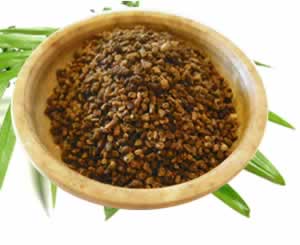
cardamom hulled
- Common Names
- Cardamom
- Botanical Name
- Elettaria cardamomum
- Family
- ZINGIBERACEAE

Medicinal Uses & Benefits of Cardamom
 How to Use|
Side Effects |
Plant & Garden|
Aromatherapy Oil |
How to Use|
Side Effects |
Plant & Garden|
Aromatherapy Oil |
- Medicinal Uses: * Aromatherapy
* Ayurvedic
* Bronchitis
* Christmas
* Congestion
* Culinary/Kitchen
* Digestion
* Halitosis
* Herbal Steam
* Herbal Teas
* Nausea
- Properties: * Analgesic * Antispasmodic * Antispasmodic * Aphrodisiac * Aromatic * Carminative * Digestive * Diuretic * Mental Clarity * Mood * Warm
- Parts Used: seed pods, essential oil
- Constituents: volatile oil (3-6%, containing terpene and terpineol), cineol, starch, gum
How to Use: Cardamom
About: Cardamom is an incredibly rich yet light aromatic spice that reminds you of cinnamon, but has its own unique ambiance. Cardamom is antispasmodic which makes it handy for any types of stomach cramps caused by indigestion or IBS. Like its close relative ginger, cardamom is is well known for relief of nausea, especially morning sickness in pregnancy. Cardamom strengthens digestion and kills the bacteria responsible for bad breath, making it an excellent after dinner tea. Cardamom also can help clear congestion from colds, flu and allergies. "Second only to lemon, Cardamom is perhaps the best source of a phytochemical called cineole, which calms your nerves and clears your head". (Duke)
Preparation Methods & Dosage :A few crushed cardamom pods also give an exotic twist to dinner coffee. In the middle east, the traditional way to make cardamom coffee is with equal parts cardamom seeds and coffee beans, flavored with sugar, cloves and saffron, but this may be a bit strong for Western tastes. As a culinary herb it is used to flavor spicy, hot curries and rice dishes. Drink a warming cup of cardamom tea, or use it in steam inhalations and foot baths.
Cardamom Remedies
Cardamom : Essential Oil Profile
Cardamom oil has the same sweet, spicy, camphor-like aroma as cardamom pods.
 In the Kitchen: Add cardamom to coffee for an exotic twist. Use powdered cardamom in place of cinnamon in baking, especially good on sweet buns. It can also be to flavor spicy, hot curries and rice dishes.
Ayurvedic Medicine
 Cardamom, or Ela has a warming, anti-mucus action that removes excess kapha from the lungs. Black cardamom, Amomum subulatum, A. costatum, the species used in Ayurveda has a smoky, savory flavor. (Karta Purkh Singh Khalsa & Michael Tierra)
Cardamom Side Effects: None noted
Plant Description
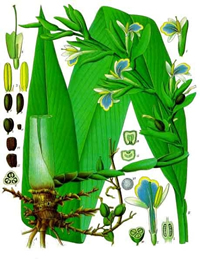
Koehler's Medicinal-Plants 1887
Cardamom is a perennial reedlike herb native to Asia and southern India that grows up to 13 feet tall. A relative of ginger, the fruits contain small reddish-brown seeds from which the essential oils is extracted.
Regional Traditions :Ayurvedic *
History and Traditions & Folklore
Cardamom was often used in Eastern aphrodisiacs, although it is not certain whether it has any physiological effect in this area. Works Cited
- James Duke. "The Green Pharmacy Herbal Handbook" Rodale Books, (2000) Cardamom is perhaps the best source of a phytochemical called cineole, (56,000 ppm in Fruit) which helps break up chest congestion and gives the entire central nervous system a boost. It kills the bacteria responsible for bad breath. ,pp61-62
- Karta Purkh Singh Khalsa & Michael Tierra. "Ayurvedic Herbs, The Way Of" Lotus Press, (2008),
Looking for Aroma Therapy? Visit Annies Aroma Therapy
Looking for something you can read offline? Join our mailing list and get a free copy of Methods for Using Herbs. This free handbook includes instructions on how to make basic herbal preparations at home. It covers making herbal teas, herb infused oils and balms, tinctures, and more.