


Orange Citrus sinensis, Citrus spp.
- Common Names
- Orange , Mandarin Orange, Tangerine
- Botanical Name
- Citrus sinensis, Citrus spp.
- Family
- RUTACEAE

Medicinal Uses & Benefits of Orange
 How to Use|
Side Effects |
Plant & Garden|
Aromatherapy Oil |
How to Use|
Side Effects |
Plant & Garden|
Aromatherapy Oil |
- Medicinal Uses: * Aromatherapy
* Cardiovascular
* Chinese
* Facial Care
* Green Home
* Herbal Teas
* Sleep/Insomnia
- Properties: * Antidepressant * Antifungal * Antioxidant * Antiscorbutic * Antispasmodic * AntiViral * Aphrodisiac * Aromatic * Astringent * Calm * Cordial * Cytophylactic * Deodorant/Perfumes * Depurative * Digestive * Emmenagogue * Hypotensive * Mood * Nervine * Refrigerant * Sedative * Stress * Vasodilator
- Parts Used: Fruit rind
- Constituents: oil: limonene, citral, linalyl acetate, citronelle, geraniol, linalool, terpineol
How to Use: Orange
Oranges are a healthy source of vitamin C and other nutrients as well as one of the most versatile aromatherapy oils. Orange oils are well known as cleansing agents and wood surface conditioners. Orange peel is used as a zest in cooking and also traditionally used as a tea.
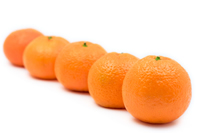
Mandarin Orange - (tangerine) Citrus reticulata, syn. C. Nobilus Chen-piThe red, aromatic peel of the Mandarin orange is used in Traditional Chinese Medicine to treat allergic reactions and digestive upsets. Orange can be combined with peony to relieve menstrual cramps, with magnolia for bloating, with rhubarb root for constipation, and with gardenia fruit for slow digestion after long-term illness. 1
Preparation Methods & Dosage :
Citrus fruit is used, both in cooking and to make jams and preserves. The majority of the citrus fruit available has been sprayed with pesticides, so it may be best to continue your habit of discarding the peels of fruit you buy to eat or juice. Organic, dried peel is the best choice for teas. Both orange and lemon peel are used in herbal teas, and can help replace fresh fruit in winter diets. Citrus essential oils are a must have component of many aromatherapy applications. Combine them with base and middle notes for a full bodied aroma.
Orange Remedies
Orange : Essential Oil Profile
Cold-pressed from fresh orange peel, Sweet Orange refreshes the mind and regulates the body. also is pleasant to use in cleaning products and to remove stains, such as in coffee pots. Bitter orange,Citrus aurantium, has a dry bitter citrus scent, with woody undertones, and is used to flavor many liquors. Neroli and Pettigrain oils are also distilled from the Citrus aurantium tree.
- Aromatherapy for Anxiety and panic attacks
- Christmas House Spray
- Cleansing Grains
- Fall/Winter Potpourri Mix
- Inspiring Desktop Diffuser Salts
- Pomegranate oil facial
- Rose Romance Blend
- Wrinkle prevention
Ayurvedic Medicine
 Orange peel is Pitta dominant
Orange Side Effects: Citrus essential oils may cause an increase photosensitivity.
Plant Description
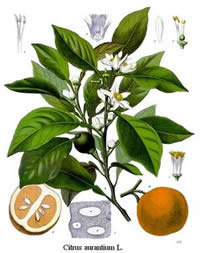
Koehler's Medicinal-Plants 1887
The orange is a small flowering tree growing to about 10 m tall with evergreen leaves, which are arranged alternately, of ovate shape with crenulate margins and 4“10 cm long. The orange fruit is a hesperidium, a type of berry. Neroli blossoms are small, white and very aromatic and grow on the stately bitter orange tree. Native to China the tree is now cultivated in Egypt, Sicily and the South of France.
Regional Traditions :Traditional Chinese Medicine *
How to Grow Orange
The Citrus genus includes:
- Citrus sinensis, C.nobilus: Orange
- Citrus reticulata syn. C. Nobilus: (Chen-pi) Mandarin Orange - (tangerine)
- Citrus aurantium: Bitter Orange - pettigrain (orange flower) neroli
- Citrus aurantifolia, C.limetta: Lime
- Citrus begamia: Bergamot
- Citrus limonum: Lemon
- Citrus paradisi: Grapefruit
Related Species
Mandarin Orange - (tangerine) Citrus reticulata, syn. C. Nobilus Chen-pi,the red, aromatic peel of the Mandarin orange, is used in Traditional Chinese Medicine to treat allergic reactions and digestive upsets.
Bitter Orange - (pettigrain, neroli) C. Aurantium
Citrus aurantifolia, C.limetta Lime
Citrus begamia Bergamot
Citrus limonum Lemon
Citrus paradisi Grapefruit
History and Traditions & Folklore
The first mention of oranges comes from the writings of the Arabs, both the common and official names are derived from the Sanskirt nagaranga thought the Arabic naranj. The Romans drank orange-flower water to reduce hangovers. 1 Oranges were introduced into Britain around 1290 and taken to the New World by Christopher Columbus, who planted seeds in 1493.2 Oranges have been known since the first century, but Neroli was only discovered in the seventeenth century. The Venetians used it liberally to counter the plague and other fevers. 2 Named for the Princess of Nerola, who used it to scent her gloves. Works Cited
Looking for Aroma Therapy? Visit Annies Aroma Therapy

Looking for something you can read offline? Join our mailing list and get a free copy of Methods for Using Herbs. This free handbook includes instructions on how to make basic herbal preparations at home. It covers making herbal teas, herb infused oils and balms, tinctures, and more.