


Angelica Angelica archangelica
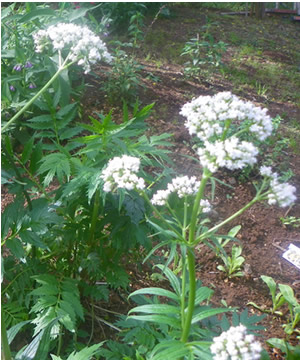
Angelica flowering plant
- Common Names
- Angelica root , Choraka
- Botanical Name
- Angelica archangelica
- Family
- APIACEAE

Medicinal Uses & Benefits of Angelica Root
 How to Use|
Side Effects |
Plant & Garden|
Aromatherapy Oil |
Folklore
How to Use|
Side Effects |
Plant & Garden|
Aromatherapy Oil |
Folklore
- Medicinal Uses: * Amenorrhea
* Ayurvedic
* Colds
* Congestion
* Cough
* Cramps/abdominal
* Depression
* Digestion
* Dysmenorrhea
* Hypertension
* IBS
* Pregnancy/Childbirth
- Properties: * Antitussive * Aromatic * Bitter * Carminative * Cordial * Diaphoretic * Emmenagogue * Expectorant * Nervine * Stimulant * Stomachic * Tonic
- Parts Used: roots, stems,seeds, leaves
- Constituents: essential oils, bitter principles, coumarin compounds
How to Use: Angelica
It is closely related to Dong Quai, one of the most respected female tonics in traditional Chinese medicine. Angelica is a traditional birthing herb used to help bring on a delayed labor and to help expel the placenta following childbirth. Angelica relieves painful and cramping menstruation, (Dysmenorrhea), and brings on delayed menstruation. Angelica is especially good when bloating or cramps are present. (Gladstar, Rosemary)
Angelica has a long history of use in colds , congestion, and fevers. Angelica root is warming and stimulating to the lungs, helping to ease chest congestion (Grieve, Maud)
Angelica contains compounds that act much like calcium channel blockers, which are often prescribed for high blood pressure and heart health. (Balch, Phyllis A. CNC)(Duke,James, Ph.D.)
Angelica acts as abitter digestive aid that can help calm a nervous stomach and tension-related digestive disorders. The fruit, leaf, and root of angelica stimulate digestion, help dispel gas, and calm a nervous stomach. (Ericksen, Marlene)
Preparation Methods & Dosage : The entire plant is used, roots, stems, fruit and leaves, but the resinous root is the part used most often in herbal medicine. The fresh bruised, or dried roots can be taken as a decoction, are made into extracts, and are the source of the essential oil. A magnificent plant to grace your garden, the hollow stems can be candied as well. Angelica tea is warming to the soul and body bitter but not unpalatable.. Angelica essential oil is used in aromatherapy. Also available as an extract.
Angelica Remedies
 In the Kitchen: Young succulent stems and leaves can be eaten in salads, roasted or made into tea. They are also used for making candied angelica. Angelica seeds can be used for flavoring..
Ayurvedic Medicine
 Angelica root has a sweet, warming, pungent taste. It is used in many Ayurvedic formulas for emotional balance
Angelica Side Effects: Because of its coumarin content, it may interfere with anticoagulant drugs. Angelica is a strong emmenagogue (a substance that induces menstruation) and should not be taken by pregnant women.
Plant Description
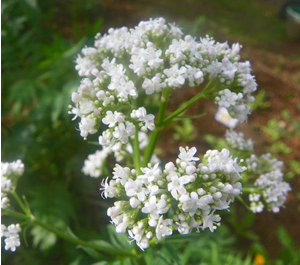
Angelica Flowers
- Flowers:Small, yellow or greenish, grouped into large umbels
- Stem:Angelica has a strong and stately presence, growing up to 6 feet tall, fluted stems. Angelica is unique amongst the Umbelliferae for its pervading aromatic odor.
- Leaves:Bright green, often 3 feet in length
- Roots: Long, thick and fleshy roots are the part used in herbal medicine
- Preferred Habitat:Fields and meadows, shady, damp soil, loves to grow near running water
- Flowering Season:July, can be grown in pots for indoor use
- Distribution:Native to the Middle East, found worldwide in temperate zones.
Regional Traditions :Ayurvedic *
How to Grow Angelica
Angelica needs deep, moist soil and dappled shade, mimicking its favorite habitat of shady stream banks and cool woodlands. Angelica is a biennial that will die after producing seed in its second year, you can let the plant self seed, or top the plants when the flower heads to prolong the life cycle of the plant for a few more years. Seeds rapidly deteriorate and should be sown fresh in the fall when they are ripe. Angelica should be harvested in early autumn. Harvested roots should be dried between 38-60 C (100-140 F). OMAFRA
Related Species The Chinese species, dong quai, Angelica sinensis is widely used for womens health concerns. The North American native species -Angelica atropupurea has purple stems that set it apart from other angelicas, and contains many of the same active constiuents and uses in herbal medicine. However the plant grows in the same types of damp locations as poison hemlocks and is very similar in appearance to water hemlock - do not wildcraft unless your a supremely sure of the plant identification.
History and Traditions & Folklore
Its virtues are praised by old writers, and the name itself, as well as the folk-lore of all North European countries, testifies to the great antiquity of a belief in its merits as a protection against contagion, for purifying the blood, and for curing every conceivable malady. (Grieve, Maud)Angelica was associated with many Pagan festivals, and after the introduction of Christianity, the plant became linked with some angelic lore as well. According to legend Angelica was revealed in a dream by an angel to cure the plague. Another explanation for the name is that it blooms on the day of Michael the Archangel (May 8, oldstyle) and is on that account held to be a preservative against evil spirits and witchcrafts of spells of all kinds, being also called "the root of the holy ghost". 1
Angelica is considered a root of magickal feminine power in the African voodun traditions. Angelica is used in a number of spells to bless newborns, protect against unruly, hurtful men, and protect and purify the home against enemies and unquiet spirits. 2
 Works Cited
Looking for Aroma Therapy? Visit Annies Aroma Therapy
Looking for something you can read offline? Join our mailing list and get a free copy of Methods for Using Herbs. This free handbook includes instructions on how to make basic herbal preparations at home. It covers making herbal teas, herb infused oils and balms, tinctures, and more.